
Eat Your Veggies!

Even a small herb garden provides plenty of fresh herbs for summer cooking. It won’t be long before these plants will be ready for sampling. With judicious picking, most herbs can be harvested continuously for several months.

If you have available yard or garden space, you can plant a kitchen herb garden. When choosing the location for your garden, keep in mind that most vegetables and herbs need as much sun as possible to do their best. Good drainage is also a must, so avoid low-lying areas where water collects. An ideal location would be a few steps from your kitchen, but any spot that gets about six hours of sun a day is good. Herbs can be added to any garden, and perennial herbs provide years of fresh herbs.

Herbs:

  • Anise (Pimpinella anisum): Known for its seeds that taste like licorice, anise is used in baking and liqueur production.
  • Basil (Ocimum basilicum): A staple in Italian and Southeast Asian cuisines, basil has a sweet, peppery flavor and is essential for pesto.
  • Borage (Borago officinalis): Bears beautiful blue flowers and cucumber-flavored leaves, often used in salads and drinks.
  • Catnip (Nepeta cataria): Best known for its effect on cats, but it can also be used in tea for its calming properties.
  • Celery (Apium graveolens): More commonly known for its stalks, celery leaves are also used in soups, stews, and salads for their mild flavor.
  • Chamomile (Matricaria chamomilla): Known for its apple-like taste and aroma, chamomile is widely used in herbal teas for relaxation.
  • Chives (Allium schoenoprasum): Mild onion-flavored herb, perfect for adding a fresh garnish to dishes.
  • Cilantro (Coriandrum sativum): The fresh leaves are a staple in Mexican and Asian cuisines, offering a distinctive, citrusy flavor.
  • Coriander (Coriandrum sativum): The seed of the cilantro plant, coriander is used as a spice for its warm, nutty, and spicy flavors.
  • Curry (Murraya koenigii or Helichrysum italicum): Curry leaves (from the curry tree) add a bold, aromatic flavor to Indian cooking, while curry plant has a strong curry-like smell but is not commonly used in cooking.
  • Dill (Anethum graveolens): Known for its feathery leaves and seeds, dill adds a fresh, tangy flavor to fish, salads, and pickles.
  • Fennel (Foeniculum vulgare): With a flavor reminiscent of anise, fennel’s fronds are used in salads, and its bulb is a crunchy, sweet vegetable.
  • Hyssop (Hyssopus officinalis): Aromatic herb with minty, slightly bitter taste, often used in soups and salads.
  • Lavender (Lavandula): Valued for its fragrance, lavender is also used in desserts and teas for its floral, slightly sweet flavor.
  • Lemon Balm (Melissa officinalis): Lemon-scented leaves are used in teas and dishes for a mild, lemony flavor and calming effect.
  • Marjoram (Origanum majorana): Sweet, citrus, and pine flavors make it versatile in many dishes, similar to but gentler than oregano.
  • Mints (Mentha): A large family of plants with a refreshing cool flavor, used in drinks, desserts, and savory dishes.
  • Oregano (Origanum vulgare): A robust herb with a warm, slightly bitter taste, essential in Italian, Greek, and Mexican cooking.
  • Parsley (Petroselinum crispum): Available in curly and flat-leaf varieties, parsley adds a fresh, slightly peppery flavor to dishes.
  • Rosemary (Rosmarinus officinalis): Woody aroma and astringent flavor, perfect for meats, soups, and potatoes.
  • Sage (Salvia officinalis): Earthy and slightly peppery flavor, commonly used in poultry dishes and stuffing.
  • Summer Savory (Satureja hortensis): Peppery flavor, used in bean dishes and as a seasoning for meats and sauces.
  • Sweet Marjoram (Origanum majorana): Similar to marjoram but with a sweeter and more delicate flavor.
  • Tarragon (Artemisia dracunculus): An essential herb in French cuisine, tarragon has a distinctive anise-like flavor.
  • Thyme (Thymus vulgaris): Small leaves with a powerful, earthy flavor, widely used in cooking, especially in Mediterranean dishes.

Vegetable Plants & Seeds

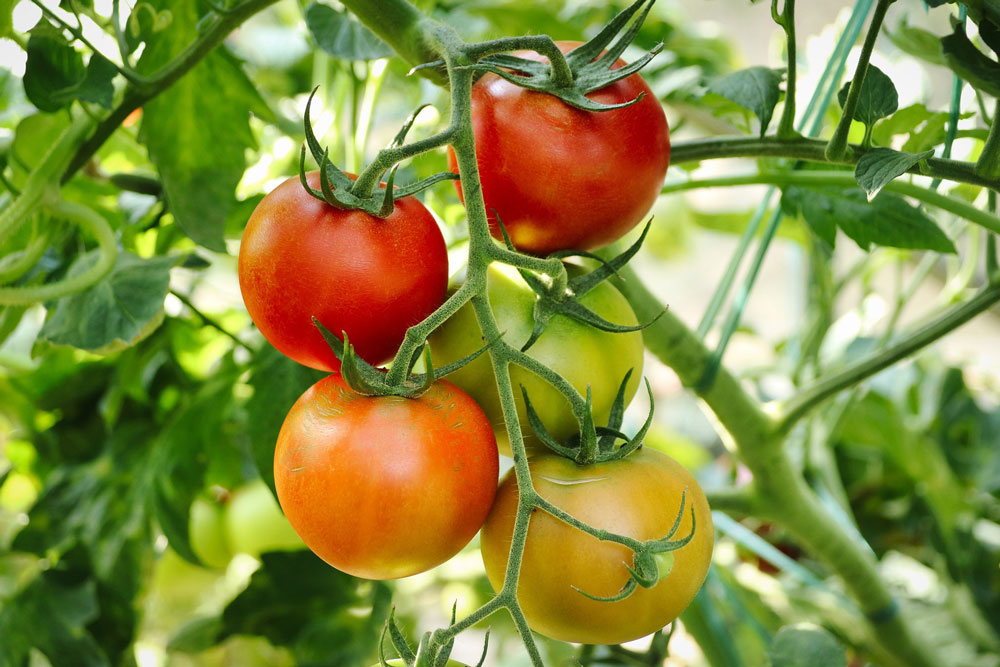
  • Tomatoes – One of the most popular garden vegetables, tomatoes come in a variety of sizes and colors, including red, yellow, and purple. They require full sun and warm temperatures.
  • Peppers – Available in many varieties, including bell peppers and hot peppers. They thrive in similar conditions to tomatoes and need plenty of sunlight and warmth.
  • Lettuce – A cool-weather crop that grows quickly. Lettuce varieties include romaine, iceberg, and leaf lettuces, which prefer partial shade to full sun.
  • Cucumbers – Ideal for trellis growing due to their climbing nature. They produce long, green fruits and require full sun and regular watering.
  • Carrots – Root vegetables that grow best in cooler temperatures and deep, well-drained soil. They need full sun to partial shade.
  • Zucchini – A type of summer squash that grows on bushy plants. Zucchini is prolific and easy to grow, needing full sun.
  • Spinach – Another cool-weather crop, spinach grows quickly and can be harvested multiple times throughout the growing season. It prefers full sun to partial shade.
  • Beans – Both pole beans, which climb, and bush beans, which do not, are commonly found at garden centers. They thrive in full sun and need moderately fertile soil.
  • Onions – Available as seeds or small bulbs called sets. Onions require full sun and are harvested once their tops begin to die back.
  • Radishes – One of the quickest growing vegetables, ready to harvest in just a few weeks. Radishes prefer cooler weather and can be grown in partial shade.

These plants are typically available as seeds or young plants (seedlings) and can be a great addition to any garden, providing fresh produce right from your backyard.