

Blog
Create a Buzz
Jun
How to Build a Pollinator Paradise in Your Backyard
From Cropley’s Garden Center
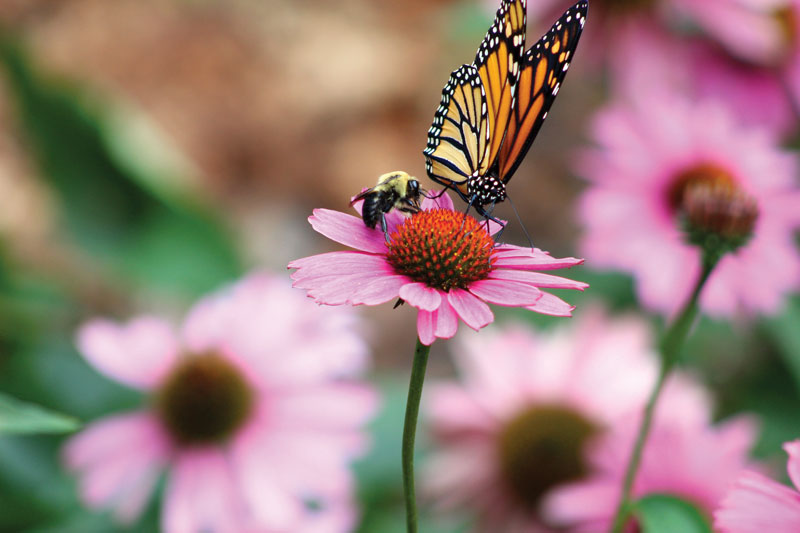
If you want to support bees, butterflies, hummingbirds, and other pollinators, the best place to start is your own backyard. Creating a pollinator garden is easier than you think—and it doesn’t require a huge space. With the right plants, layout, and care, you can build a vibrant ecosystem that’s both beautiful and beneficial.
Here’s how to get started:
🧭 Plan the Layout
-
Pick a sunny location (at least 6 hours of sunlight per day)
-
Use layered heights—place taller plants in back, shorter ones in front
-
Create wide, curved beds for a natural look that’s easy for pollinators to navigate
-
Include bare patches of soil or rocks for ground-nesting bees and sunbathers
🌸 Group by Type and Season
Pollinators prefer clusters of the same plant—think in threes, fives, or more. Also, aim for continuous bloom from spring through fall.
Try these garden favorites:
-
Spring: Salvia, catmint, columbine
-
Summer: Coneflower, bee balm, milkweed, black-eyed Susan
-
Fall: Goldenrod, sedum, anise hyssop
Our team can help you pair plants by height, color, and bloom time—and we proudly carry native options, Proven Winners selections, and customer favorites.
💧 Watering & Maintenance Tips
-
Water deeply 2–3 times per week for new plantings
-
Add mulch to conserve moisture and reduce weeds (leave small mulch-free areas for ground nesters)
-
Avoid chemical pesticides and herbicides—they can harm the very pollinators you’re trying to support
-
Leave some natural mess—a few fallen stems or dried seed heads offer shelter and food
🐝 Make It Count
Even a small container garden can help support pollinators. Whether you have a balcony, backyard, or full garden bed, every bloom matters.
Need help choosing the right plants or supplies? Our staff is happy to help you build your very own pollinator paradise.
🌿 For plant lists, care tips, and garden inspiration, download the Cropley’s Garden Center app:
👉 https://apjl.app/cropleys