

Blog
Watering Wisdom: How (and When) to Water in Summer Heat
Jun
Keep your garden healthy and thriving—even when temps soar!
Summer sunshine can do wonders for your garden, but it can also create one of the season’s biggest challenges: watering. Knowing when and how to water your plants is essential to avoid two common mistakes—overwatering or underwatering. Fortunately, a few simple strategies can take the guesswork out and help your plants thrive all season long.
Why Watering Matters More in Summer
During the hottest months, your plants are in active growth mode and need consistent moisture. But that doesn’t mean more is always better. Too much water can suffocate roots, invite disease, and wash away nutrients. Too little, and your plants may wilt, stall growth, or become heat-stressed. The key is balance—and timing.
Morning Is Best
The absolute best time to water is early in the morning—ideally before 10 AM. Watering early gives plants a chance to absorb moisture before the heat of the day causes it to evaporate. It also allows leaves to dry off before nightfall, reducing the risk of fungal issues.
Avoid watering in the middle of the day. Not only is it inefficient due to evaporation, but water droplets can act like magnifying glasses under strong sun, potentially damaging leaves.
Evening watering isn’t ideal either. Wet foliage overnight can encourage mildew and other diseases.
How Much Water Do Plants Really Need?
That depends on the plant, the soil, and the weather. But in general:
-
Established perennials, shrubs, and trees typically need about 1 inch of water per week, including rainfall.
-
Newly planted flowers and vegetables may need water every 1–2 days during extreme heat.
-
Container gardens often require daily watering, especially if they’re in full sun.
Check soil moisture regularly. Stick your finger about 2–3 inches into the soil—if it feels dry at that depth, it’s time to water.
Water Slowly and Deeply
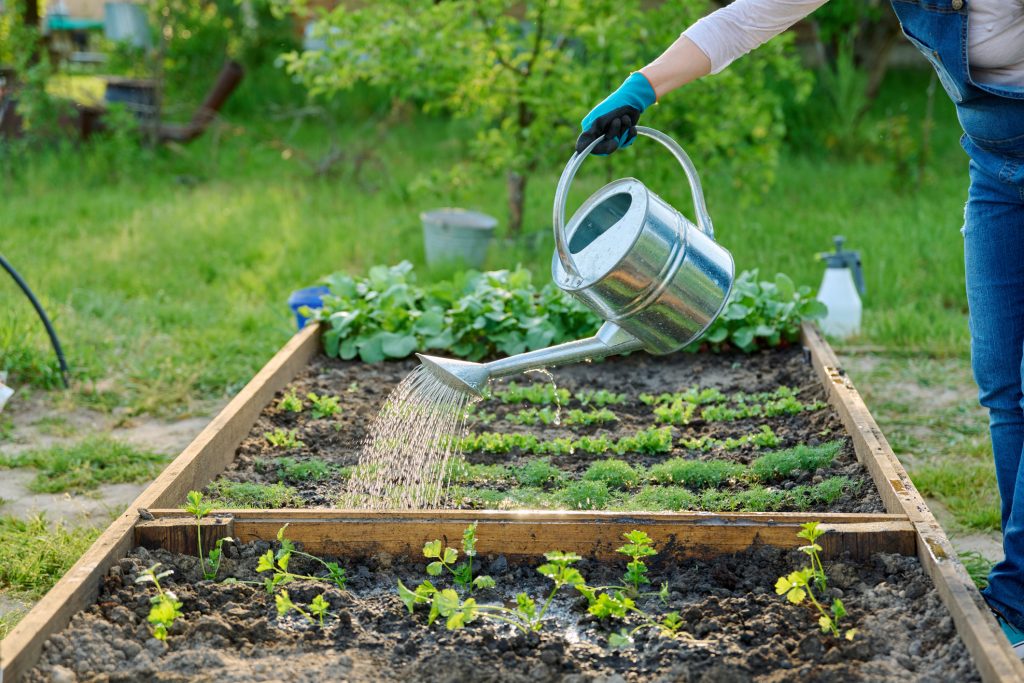
Rather than frequent light watering, aim for deep watering that encourages roots to grow downward. Shallow roots dry out quickly. Use a soaker hose, drip irrigation, or a slow-flow nozzle to deliver water directly to the base of plants.
Smart Tools Make It Easier
Mulching helps retain moisture and regulate soil temperature. Use 2–3 inches of mulch around your plants—but keep it a few inches away from stems to prevent rot.
Rain gauges, moisture meters, and smart timers can also help you stay consistent without overdoing it.
Know Your Plants
Some plants are more drought-tolerant than others. Lavender, sedum, salvia, and ornamental grasses, for example, thrive in drier conditions. Others—like hydrangeas, hostas, and vegetable gardens—need regular, consistent moisture to look their best.
Final Tip: Don’t Panic at a Midday Wilt
Some plants naturally wilt in the heat to conserve water, perking back up in the evening. Before rushing to water again, wait until later in the day to see if the plant recovers.
In Summary:
Water early, water deeply, and tailor your routine to your plants’ needs. With a little watering wisdom, your garden can beat the heat and keep blooming strong all summer long.
Need help picking drought-tolerant plants or finding the right mulch? Stop by Cropley’s Garden Center—we’re always happy to help you grow smarter.
🌱 Download our app for more seasonal tips and reminders straight from our garden to yours.