

Blog
Wildlife-Friendly Winter Gardens
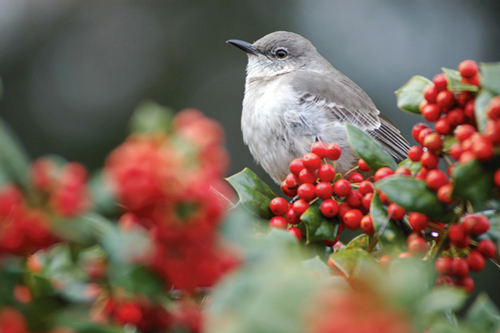
Dec
Helping Birds and Pollinators Survive
When the landscape turns quiet and the flowers fade, your garden can still be a haven for wildlife. Creating a winter-friendly garden helps support the birds, bees, and beneficial insects that rely on your yard for food, shelter, and protection during the coldest months. At Cropley’s Garden Center in Bolton, CT, we love helping local gardeners build spaces that nurture nature all year long.
Create Shelter with Structure and Texture
Native trees, shrubs, and ornamental grasses add beauty and provide valuable shelter for birds and pollinators. Consider evergreens like holly or juniper for cover and seed heads from perennials like coneflowers and black-eyed Susans for food and nesting material. Leaving some garden debris and ornamental grass standing until spring offers natural protection and overwintering sites for beneficial insects.
Provide a Steady Winter Food Source
Birds depend on energy-rich foods during freezing weather. Add a variety of feeders with black oil sunflower seed, suet, or nyjer seed to attract different species. You can also leave seed heads intact on plants such as asters and rudbeckia, giving wild birds a natural source of nourishment.
Keep a Water Source Available
Fresh water can be scarce in winter. A heated birdbath or shallow dish with a de-icer ensures birds and pollinators have access to unfrozen water. Place it near shrubs or trees to offer quick cover from predators.
Support Pollinators Beneath the Surface
While bees and butterflies may not be visible in winter, many overwinter in hollow stems, leaf piles, or under mulch. Avoid overcleaning your garden—leave some leaf litter and brush piles intact until spring to protect these important species.
Choose Eco-Friendly Products
When preparing soil or containers for winter, use organic amendments like Coast of Maine soils and Espoma fertilizers. These sustainable products improve soil health naturally and support the ecosystem beneath your plants.
FAQ
Q: Should I cut back all my perennials in fall?
A: No. Leaving some perennials standing provides food and shelter for wildlife and beneficial insects throughout winter.
Q: What’s the best way to attract more birds in winter?
A: Offer diverse food options, provide fresh water, and add dense plantings or evergreen shrubs for shelter.
Q: How can I help pollinators even when they’re dormant?
A: Avoid disturbing leaf piles and plant stems where pollinators overwinter. Use organic soil and fertilizer to support a healthy ecosystem.
Your garden can be a year-round refuge for wildlife. With a few thoughtful choices—like keeping seed heads, providing water, and using organic products—you’ll help birds and pollinators thrive through winter and return stronger in spring. Visit Cropley’s Garden Center for the plants, soils, and supplies you need to support local wildlife through every season.
Cropley’s Garden Center, 1262 Boston Turnpike, Bolton, CT 06043 | (860) 649-6364