

Blog
Deer Resistant Garden Planning for Spring
Apr
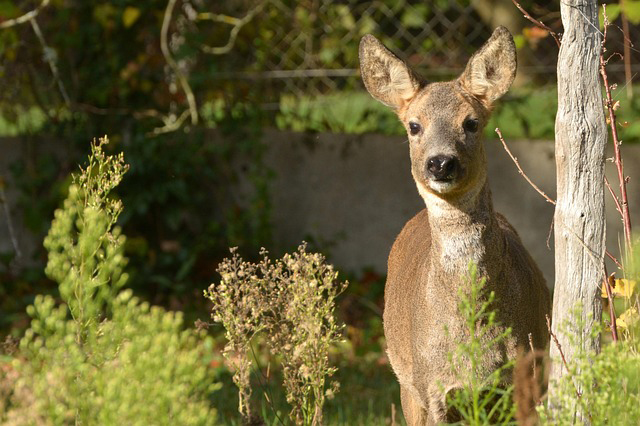
If you garden in Connecticut, you already know deer are part of the landscape. While it may not be possible to completely prevent deer browsing, you can design your garden in a way that significantly reduces damage.
With the right plant choices and smart layout strategies, you can create a beautiful, thriving garden that deer are more likely to leave alone.
At Cropley’s Garden Center, we help gardeners choose plants and design layouts that balance beauty with practicality.
What Makes a Plant Deer Resistant
No plant is completely deer proof, especially when food is scarce. However, many plants are less appealing due to their texture, scent, or taste.
Deer tend to avoid plants that are:
- Fragrant or aromatic
- Fuzzy or textured
- Bitter or toxic
Using these types of plants as the foundation of your garden can make a big difference.
Reliable Deer Resistant Plants for Spring
Starting with the right plants is your first line of defense.
Perennials
- Lavender
- Salvia
- Yarrow
- Catmint
Shrubs
- Boxwood
- Spirea
- Juniper
Annuals and accents
- Marigolds
- Dusty miller
- Snapdragons
These plants not only help deter deer but also provide color, structure, and seasonal interest.
Smart Layout Strategies That Reduce Damage
How you arrange your garden can be just as important as what you plant.
Create a layered approach
Place more deer resistant plants along the outer edges of your garden to act as a natural barrier.
Protect vulnerable plants
Position more sensitive plants closer to your home, patio, or high traffic areas where deer are less likely to wander.
Mix plant types
Avoid grouping highly desirable plants together. Mixing resistant plants throughout your garden can make browsing less appealing.
Use pathways and structure
Defined paths, edging, and hardscape elements can help guide movement and discourage deer from entering certain areas.
Additional Ways to Deter Deer
In addition to plant selection and layout, a few extra steps can help protect your garden:
- Use deer repellent sprays and reapply regularly
- Install temporary fencing for young or vulnerable plants
- Rotate deterrent methods to prevent deer from getting used to them
Consistency is key when it comes to reducing damage.
Plan Now for a Better Spring Garden
Spring is the perfect time to rethink your garden layout and make adjustments that will save you time and frustration later in the season.
By combining deer resistant plants with thoughtful design, you can enjoy a garden that looks great and stands up better to browsing pressure.
Visit Cropley’s Garden Center at 1262 Boston Turnpike, Bolton, CT 06043 or call (860) 649-6364 for expert advice and a wide selection of deer resistant plants.
Hours
Monday through Friday 10 am to 5 pm
Saturday 9 am to 5 pm
Sunday 9 am to 4 pm
Now open for the season and grateful for our customers, friends, and growers.
FAQ
What plants are most deer resistant
Plants with strong scents, fuzzy leaves, or bitter taste such as lavender, salvia, and boxwood are commonly avoided by deer.
Are any plants completely deer proof
No plant is completely deer proof, but choosing less appealing varieties can greatly reduce damage.
How can I protect new plants from deer
Use repellents, temporary fencing, and plant placement near high traffic areas to reduce risk.
Do deer eat flowers and shrubs
Yes, especially tender new growth and flowering plants, which is why planning and plant selection are important.
When should I start planning a deer resistant garden
Early spring is the ideal time to plan, plant, and set up deterrents before heavy browsing begins.