

Blog
Deer Resistant Gardens That Actually Work Locally
May
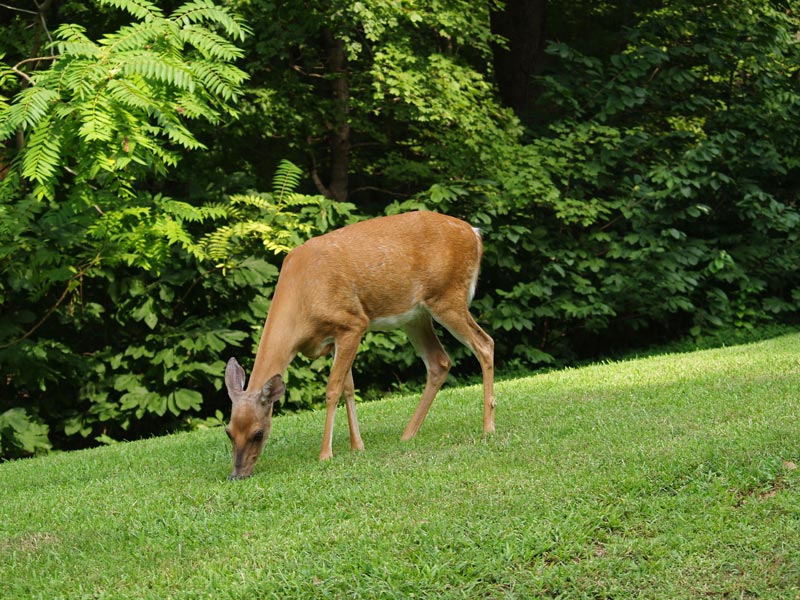
If you have ever walked outside to find your plants chewed down overnight, you are not alone. Deer are one of the biggest challenges for home gardeners, and they are not picky when food is scarce.
The truth is, there is no such thing as a completely deer proof garden. But with the right strategy, you can create a landscape that deer are far less likely to touch.
Why Deer Keep Coming Back
Deer are creatures of habit. If they find an easy food source, they will return again and again.
They are especially drawn to:
- Tender new growth
- Well watered, fertilized plants
- Gardens close to wooded areas or open fields
Understanding what attracts them is the first step in keeping them away.
Plants Deer Tend to Avoid
While no plant is guaranteed safe, deer usually avoid plants with strong scents, fuzzy leaves, or tough textures.
Perennials
- Lavender
- Salvia
- Yarrow
- Russian sage
- Bee balm
Annuals
- Marigolds
- Zinnias
- Ageratum
Shrubs
- Boxwood
- Spirea
- Butterfly bush
Herbs
- Rosemary
- Thyme
- Sage
- Oregano
What Actually Works
Layer your defenses
Relying on just one method rarely works. Combine plant choices with repellents and barriers.
Use repellents consistently
Sprays can be effective, but they need to be reapplied, especially after rain.
Rotate products
Deer get used to smells over time. Switching products helps keep them guessing.
Add physical barriers
Fencing is the most reliable solution. Even short decorative barriers can discourage entry.
Plant strategically
Place more vulnerable plants closer to your home and surround them with deer resistant varieties.
Common Mistakes to Avoid
- Assuming deer resistant means deer proof
- Skipping reapplication of repellents
- Planting favorites like hostas and daylilies without protection
- Leaving new plants unprotected while they establish
Visit Us
Stop in and let our team help you choose plants and solutions that work in your area. We can help you build a garden that looks great without becoming a deer buffet.
FAQs
Are there any plants deer will never eat
No. If deer are hungry enough, they will try almost anything.
Do deer repellents really work
Yes, when used consistently and rotated regularly.
Is fencing the only guaranteed solution
It is the most reliable, especially for high pressure areas.
When is deer damage most likely
Early spring and late fall, when natural food sources are limited.
Will planting deer resistant plants solve the problem
It helps, but the best results come from combining plant choices with other deterrents.
You do not have to give up on a beautiful garden. With the right mix of plants and protection, you can stay one step ahead and keep your landscape looking its best.