

Blog
Hydrangea Help: What to Do When Blooms Fade, Flop, or Fail
Aug
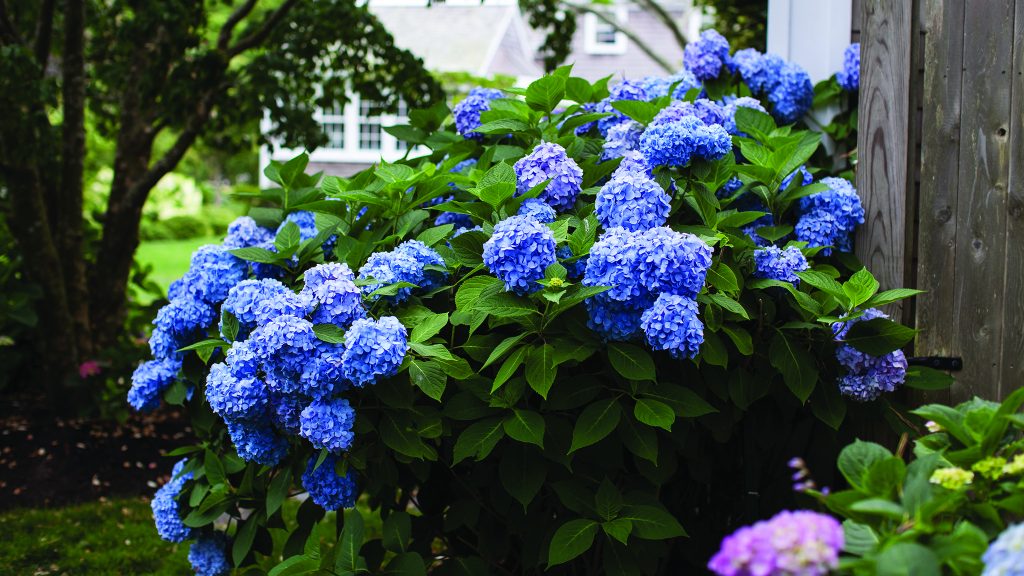
Hydrangeas are among Connecticut’s most beloved flowering shrubs, putting on an incredible display from summer into early fall. But if your blooms are drooping, fading too quickly, or failing to appear altogether, don’t worry. Most hydrangea problems can be traced back to a few common causes, and with the right care, your plants can continue looking their best for the rest of the season.
Why Are My Hydrangea Blooms Flopping?
Large flower heads can become heavy, especially after summer rain.
To help prevent flopping:
- Water deeply to encourage strong roots
- Avoid overfertilizing with high-nitrogen fertilizers
- Plant in locations with morning sun and afternoon shade
- Consider supports for mature plants with exceptionally large blooms
Some varieties naturally produce heavier flowers than others.
Keep Hydrangeas Properly Watered
Hydrangeas appreciate consistent moisture, especially during hot summer weather.
For healthy plants:
- Water deeply once or twice a week
- Water early in the morning
- Apply mulch to help retain moisture
- Avoid letting the soil dry out completely
Containers may require more frequent watering than landscape plantings.
Be Careful When Pruning
One of the biggest reasons hydrangeas fail to bloom is improper pruning.
Some hydrangeas bloom on old wood, while others bloom on new wood.
Before pruning:
- Know which variety you have
- Remove only dead or damaged stems when unsure
- Avoid heavy pruning after flower buds have formed
Pruning at the wrong time may remove next year’s flowers.
Why Didn’t My Hydrangea Bloom?
Several factors can reduce flowering, including:
- Winter damage
- Improper pruning
- Too much shade
- Late spring frosts
- Excess fertilizer
Healthy foliage is a good sign, but flower production depends on proper growing conditions throughout the year.
Help Blooms Last Longer
To keep flowers looking their best:
- Remove faded blooms if desired
- Keep plants evenly watered
- Refresh mulch during the summer
- Avoid stressing plants during periods of extreme heat
Many hydrangeas provide beautiful blooms well into late summer with proper care.
Frequently Asked Questions
Why are my hydrangea flowers drooping?
Large blooms often become heavy after rain or watering. Consistent moisture, proper fertilizing, and growing sturdy varieties can help reduce flopping.
How often should I water hydrangeas?
Most established hydrangeas benefit from deep watering once or twice a week, depending on rainfall and temperatures.
Should I cut off faded flowers?
Yes. Removing spent blooms can improve appearance, but avoid heavy pruning unless you know your variety blooms on new wood.
Why didn’t my hydrangea bloom this year?
Improper pruning, winter injury, late frosts, too much shade, or excess fertilizer are all common reasons for poor flowering.
Do hydrangeas like full sun?
Most hydrangeas perform best with morning sun and afternoon shade, especially during Connecticut’s warm summer afternoons.
Visit Us
Whether you’re looking for beautiful hydrangeas, flowering shrubs, mulch, or expert gardening advice, Cropley’s Garden Center is here to help your landscape thrive throughout the growing season.
Cropley’s Garden Center
1262 Boston Turnpike
Bolton, CT 06043
Phone: (860) 649-6364
Summer Hours
Monday-Friday: 10:00 AM – 5:00 PM
Saturday: 9:00 AM – 5:00 PM
Sunday: 10:00 AM – 4:00 PM
Visit us today and let our knowledgeable team help you choose the perfect hydrangeas and flowering shrubs for your Connecticut garden.