

Blog
Should You Cut Back Your Perennials in Fall?
Sep
As the Connecticut garden begins winding down, it’s tempting to grab the pruners and cut every perennial to the ground. But when it comes to fall cleanup, a little restraint can actually benefit your garden and the wildlife that depends on it.
Some plants should be cleaned up in fall, while others are better left standing through winter. Knowing what to cut and what to leave can mean a healthier garden, less work, and more habitat for birds and beneficial insects.
Why Leave Some Perennials Standing?
Faded flowers and dried stems may look like they’re finished for the year, but they can still play an important role in the garden.
Leaving selected plants standing can:
- Provide seeds for birds
- Offer overwintering habitat for beneficial insects
- Protect plant crowns during cold weather
- Add texture and movement to the winter landscape
- Give native bees and other insects places to shelter
A fall garden doesn’t have to be perfectly tidy to be healthy.
Perennials Worth Leaving
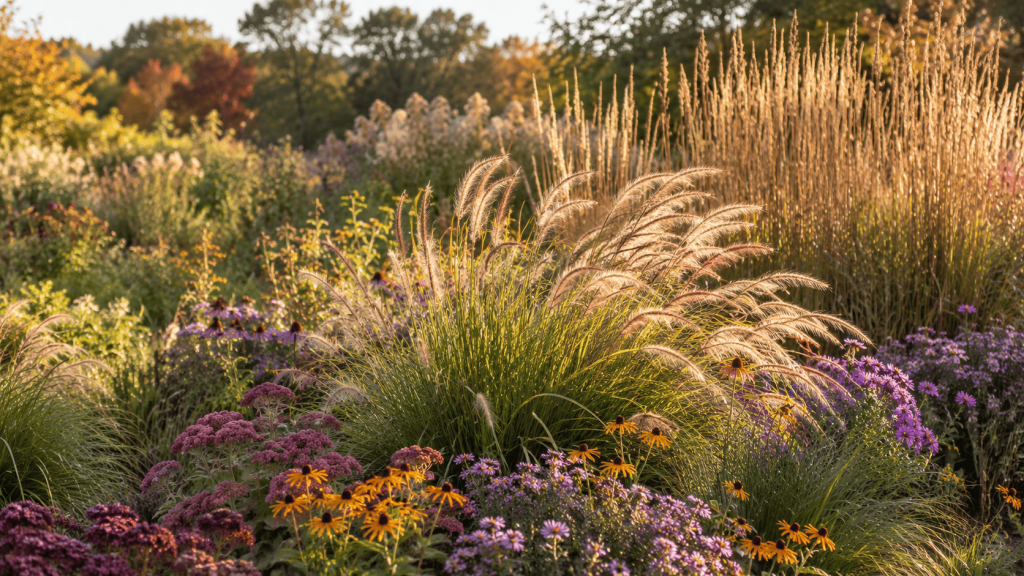
Plants with sturdy stems, attractive seed heads, or wildlife value are often good candidates to leave standing.
Consider leaving:
- Coneflowers
- Black-Eyed Susans
- Asters
- Goldenrod
- Sedum
- Ornamental grasses
Seed heads can provide food for birds, while stems and foliage add structure to otherwise bare winter beds.
What Should You Cut Back?
Some cleanup is still important, particularly when plants have experienced disease or serious damage.
Remove:
- Diseased foliage
- Rotting or badly damaged stems
- Plants affected by significant fungal problems
- Collapsed plant material that could harbor disease
- Spent annuals that are no longer contributing to the garden
Keeping diseased material out of the garden can help reduce problems during the next growing season.
Don’t Rush to Cut Hollow Stems
Some native bees and beneficial insects use plant stems for nesting or overwintering.
Instead of cutting every stem to the ground in fall, consider leaving healthy stems standing through winter. You can complete more of your garden cleanup once temperatures warm in spring.
Let Ornamental Grasses Stay
Ornamental grasses are especially beautiful during fall and winter.
Their dried foliage and seed heads provide movement, texture, and seasonal interest after flowers have disappeared. They can also offer shelter for wildlife.
Leave grasses standing through winter and cut them back before new growth begins in spring.
Save Some Cleanup for Spring
There’s no rule that says the entire garden needs to be cleaned before winter.
Focus your fall efforts on removing diseased material, controlling weeds, and tidying areas where cleanup is truly needed. Leave healthy stems and seed heads in other areas for winter interest and wildlife.
You’ll have less work to do now and plenty of reasons to get back into the garden next spring.
Frequently Asked Questions
Should I cut all my perennials back in fall?
No. Many healthy perennials can remain standing through winter, especially those with sturdy stems and seed heads.
Which perennials can I leave standing?
Coneflowers, Black-Eyed Susans, asters, goldenrod, sedum, and ornamental grasses are good candidates.
Should diseased plants be cut back?
Yes. Removing diseased foliage and plant debris can help reduce the chance of problems returning next season.
When should I cut back ornamental grasses?
Leave them standing through winter and cut them back in late winter or early spring before new growth begins.
Why are old stems good for wildlife?
Some insects use plant stems and garden debris for shelter and nesting, while seed heads can provide food for birds.
Visit Cropley’s Garden Center
Fall cleanup doesn’t have to mean cutting everything down. Stop by Cropley’s Garden Center for fall gardening supplies, perennials, seasonal plants, and advice to help you prepare your Connecticut garden for the months ahead.
Cropley’s Garden Center
1262 Boston Turnpike
Bolton, CT 06043
Fall Hours
Monday to Friday: 10 AM to 5 PM
Saturday: 9 AM to 5 PM
Sunday: 10 AM to 4 PM
We’re grateful for our customers, friends, and growers, and we’re here to help you enjoy your garden through every season.