

Blog
The Beauty of Bark, Branches and Berries
Oct
When flowers fade and leaves begin to fall, the garden does not have to lose its beauty. In fact, winter reveals an entirely different side of the landscape.
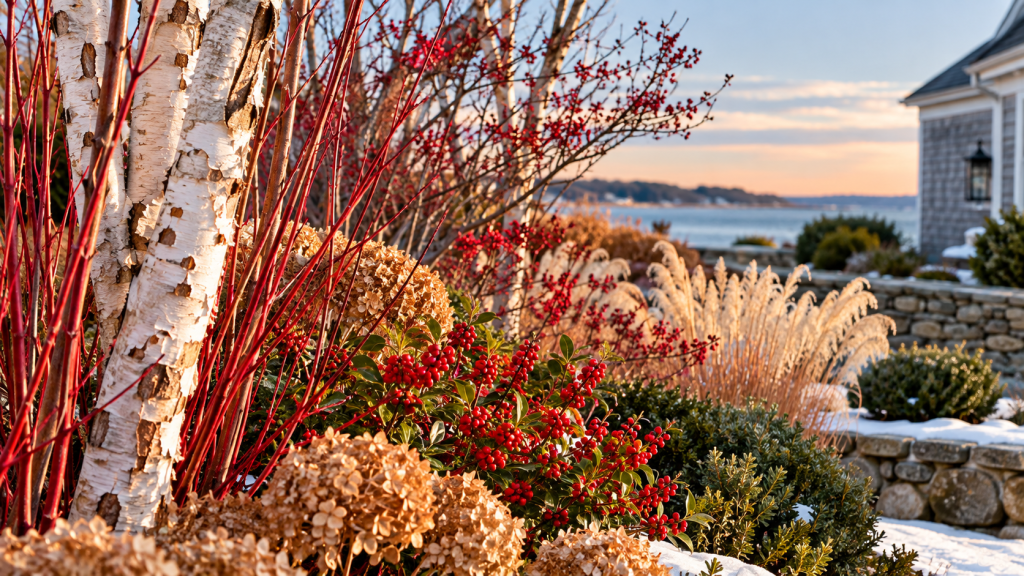
Colorful berries, peeling bark, bright stems, graceful branches, evergreens and dried seed heads can become the stars of the garden once summer blooms are gone.
Here in Connecticut, choosing plants with strong fall and winter interest can make a tremendous difference in how your landscape looks throughout the colder months. At Cropley’s Garden Center in Bolton, we encourage gardeners to look beyond bloom time and consider what a plant can contribute to the landscape throughout the year.
Look Beyond Flowers When Choosing Landscape Plants
It is easy to choose a plant because of its flowers. After all, blooms are usually what catch our attention first.
But flowers are only one part of the story.
When selecting trees, shrubs and perennials for your Connecticut landscape, take a closer look at the entire plant. Interesting bark, colorful stems, berries, evergreen foliage and distinctive branching can provide months of additional beauty.
Plants that offer several seasons of interest work especially hard in the landscape and can help keep garden beds attractive long after flowering has ended.
Beautiful Bark Adds Winter Color and Texture
Once the leaves fall, bark finally gets its chance to shine.
Some trees and shrubs have bark that peels or exfoliates, revealing layers of different colors and textures. Others feature smooth, patterned or deeply textured bark that becomes much more noticeable against the winter landscape.
Birches are a classic example, with distinctive bark and graceful form that can create interest even when their branches are bare.
When deciding where to place a tree or shrub with beautiful bark, think about where you will see it during winter. A plant positioned near a walkway, patio, driveway or within view of a window can become a focal point when the rest of the garden is quiet.
Colorful Branches Brighten the Winter Garden
Branches do not have to be brown.
Some shrubs develop striking stem colors that become especially noticeable after their leaves drop. Red twig dogwoods, for example, are valued for the brilliant color of their young stems during the colder months.
Against snow, evergreens or the muted colors of a Connecticut winter landscape, colorful branches can create beautiful contrast.
This is one reason not to judge a plant only by how it looks during spring and summer. Its most interesting season may arrive after the leaves are gone.
Berries Bring Color After Flowers Fade
Some landscape plants have a wonderful second act after flowering.
As blooms disappear, colorful berries can begin taking their place, adding shades of red, orange, blue, purple or other colors to the fall and winter garden, depending on the plant.
Berry-producing plants can also provide a food source for birds and other wildlife when appropriate species are selected.
Keep in mind that berry production varies by plant. Some species and varieties may require a compatible pollinator nearby for good fruit production, so it is worth asking about pollination requirements when selecting berry-producing shrubs and trees.
Evergreens Provide Essential Winter Structure
When deciduous trees and shrubs lose their leaves, evergreens become the backbone of the winter landscape.
Their foliage provides dependable color and structure while helping define garden beds, frame entrances and create privacy throughout the year.
Evergreens can be especially effective when paired with plants that have colorful bark, stems or berries.
Bright red branches against deep green evergreen foliage can create a striking winter combination without a single flower in sight.
Branching Patterns Become Part of the Landscape
Winter reveals something that can be easy to overlook during summer: the architecture of a plant.
Without leaves covering everything, the shape and branching patterns of trees and shrubs become much easier to appreciate.
Some plants have graceful arching branches. Others have upright, spreading or irregular forms. Beautiful branching can create interesting silhouettes against the winter sky and bring an almost sculptural quality to the landscape.
When planning a four-season Connecticut landscape, consider the shape and structure of a plant just as you would its flower color.
Ornamental Grasses Add Movement and Texture
Ornamental grasses are another excellent source of fall and winter landscape interest.
Their foliage and seed heads can bring height, movement and soft texture to garden beds after many flowering plants have gone dormant.
Many ornamental grasses can also be left standing through winter rather than being cut down during fall cleanup. Their dried foliage and seed heads can remain attractive through the colder months before being cut back at the appropriate time ahead of new spring growth.
Combined with evergreens, berries and interesting bark, ornamental grasses help create layers of contrasting textures in the winter garden.
Dried Flowers and Seed Heads Can Be Beautiful Too
Do not be too quick to remove every faded flower from the garden.
Some perennials and flowering shrubs develop dried flowers or seed heads that remain attractive long after blooming has finished.
Hydrangea flowers, for example, can take on muted, papery tones as they age, adding texture and interest to the late-season landscape.
Other perennial seed heads can create interesting shapes and may provide food or habitat for wildlife.
A little selective restraint during fall garden cleanup can leave your winter landscape with much more character.
Create Layers of Winter Interest
The most interesting winter landscapes rarely depend on one plant.
Instead, they combine different colors, forms and textures.
An evergreen can provide a strong background. A shrub with colorful stems can create contrast. Berries can introduce bright pops of color. Ornamental grasses can soften the scene, while a tree with distinctive bark adds height and texture.
Layering plants with different winter features can keep your landscape interesting even during the quietest months of the gardening year.
Plan Your Winter Garden in Fall
Fall is one of the best times to evaluate winter interest in your landscape because you can watch the garden begin its transition.
Take a walk around your yard as the leaves begin dropping.
Which areas still catch your attention? Which garden beds suddenly look empty? Where could you use more evergreen structure, berries, colorful stems, ornamental grasses or interesting bark?
Take a few photos of those areas. They can be helpful when you are choosing new plants and trying to visualize what your landscape needs.
Bring those photos with you when you visit Cropley’s Garden Center in Bolton, Connecticut, and explore trees, shrubs, evergreens, perennials and ornamental grasses that can help extend the beauty of your landscape into fall and winter.
Frequently Asked Questions About Winter Garden Interest
What plants add interest to a winter landscape?
Trees and shrubs with interesting bark, colorful stems, berries or distinctive branching can provide winter interest. Evergreens, ornamental grasses and perennials with attractive seed heads can also help keep the landscape interesting after flowers and leaves are gone.
What shrubs have colorful branches in winter?
Some dogwoods are well known for colorful winter stems, including red twig types. The best choice depends on your growing conditions, available space and the characteristics of the particular variety.
What trees have interesting bark?
Birches are well known for their distinctive bark, but other trees and shrubs can also offer interesting bark color, texture or peeling characteristics. Always consider mature size and growing requirements when choosing a tree for your landscape.
What plants have berries in fall and winter?
A variety of landscape shrubs and trees produce colorful berries or fruit. Berry color, persistence and pollination requirements vary by plant, so check the characteristics of the particular species and variety before planting.
Do berry-producing plants help birds?
Some berry-producing landscape plants can provide food for birds and other wildlife. Choosing appropriate plants can add both seasonal beauty and wildlife value to the garden.
Should ornamental grasses be cut down before winter?
Many ornamental grasses can be left standing during winter, where their foliage and seed heads provide texture, structure and movement. Depending on the variety, they can often be cut back before new spring growth begins.
How can I make my Connecticut landscape look good in winter?
Combine plants that offer different types of winter interest, including evergreens, colorful stems, berries, interesting bark, ornamental grasses and distinctive branching. Layering these features can help create a landscape that remains attractive after the growing season ends.
Where can I find plants for winter interest near Bolton, CT?
Visit Cropley’s Garden Center in Bolton, Connecticut for trees, shrubs, evergreens, perennials, ornamental grasses and ideas for creating a landscape with interest throughout the seasons.
Visit Cropley’s Garden Center in Bolton, CT
Flowers may get most of the attention, but they are only one part of a beautiful landscape.
Visit Cropley’s Garden Center in Bolton, Connecticut and discover trees, shrubs, evergreens and other plants that keep working long after their flowers fade with beautiful bark, colorful branches, berries, texture and four-season structure.
Take a look at your landscape this fall and think about what you will see when the flowers and leaves are gone. With the right plants, the winter garden can have a beauty all its own.